

Ever wondered why video games feel more real these days? It’s all about AI NPC interactions. I’m diving into how non-playable characters aren’t just standing around anymore; they’re talking back, making decisions, and shaping our gaming worlds (sometimes even better than humans).
This isn’t just tech jargon or hype. It’s what’s changing the face of gaming today.
Why should you care? Because these AI-driven characters make your experience richer and more immersive. Ever argued with an NPC and thought, “Did that just happen?” It’s because they’re getting smarter, more responsive.
But it’s not just about cool technology. It’s about how these interactions redefine our expectations and gaming strategies.
So, what’s in it for you? We’ll explore this shift, the mechanics behind it, and how it influences gameplay. Trust me, this isn’t just another gaming article.
We’ve consulted experts, sifted through the buzz, and are ready to deliver takeaways. Stay tuned.
From Puppets to Personalities: The NPC Revolution
Remember those guards in ‘Oblivion’? I do. They marched in loops, spouting the same recycled lines.
It was charming in its simplicity, though you’d never mistake them for real. Early ‘Final Fantasy’ shopkeepers weren’t much different. They sat there, waiting to dispense goods, always with the same dialogues.
Predictable. You could see the strings.
Then came a leap. Think ‘Middle-earth: Shadow of Mordor.’ The Nemesis System was a game-changer. Characters remembered you.
They held grudges. But, let’s be honest, it was still limited. It was a step up, but not free from its scripted roots.
Here’s where it gets exciting (and yes, a bit mind-blowing). We’re now diving into a new era with generative AI and Large Language Models. These aren’t just buzzwords.
They’re shaping NPCs into changing beings. Imagine characters who reason and create new responses. Not just react mindlessly.
The key? AI NPC interactions are evolving. Characters adapt, they learn.
They truly become interactive, offering unique experiences every time you engage. It’s not just a technological leap. It’s a philosophical shift in game design.
Instead of marionettes on strings, we have characters with genuine depth.
Sure, we’re still pondering the implications. How will this impact gameplay or storytelling depth? That’s part of the thrill.
We stand on the brink of understanding game physics realism fun as an immersive experience (Understanding Game Physics Realism Fun).
We move from stale loops to spontaneous interactions. It’s not just an enhancement. It’s a revolution.
The future of game worlds? Changing, unpredictable, alive. And I can’t wait to see where it goes.
Under the Hood: AI Characters Made Simple
How do AI characters think and talk? It’s fascinating, really. The core of these AI characters is the large language model (LLM).
Think of it as their brain. It generates dialogue and understands what you say. It’s like having a conversation with someone who never runs out of words.
But here’s the kicker: these characters aren’t just spitting out random lines. They listen and remember.
Now, let’s talk about memory. This system is what makes your interactions more human-like. Ever had an NPC remind you of something you did in the game last week?
That’s their memory at work. It keeps track of past interactions and events, allowing the character to build a persistent relationship with you. Creepy or cool?
You decide.
Developers also set up personality frameworks or guardrails. These make sure the AI stays true to the game’s story. Imagine a medieval knight suddenly talking like a modern-day influencer.
It’d break the immersion, right? That’s why these frameworks are key. They prevent such oddities.
There’s a solid analogy here. Think of traditional NPCs like a choose-your-own-adventure book. They have limited paths and responses.
But an interactive AI character? They’re like a live improv actor. They can create new scenes with you in real-time.
It’s changing and unpredictable, making for richer gameplay.
The exciting part? You can see this tech in action in projects like ai npc interactions. The possibilities are expanding.
We’re not just talking about AI playing second fiddle in games. These interactions redefine your gaming experience. They blur the line between scripted and spontaneous.
In the end, AI NPC interactions are revolutionizing how we engage with games. They’re not static anymore. They’re learning and evolving, responding to you in ways that feel real.
It’s like the game world is alive, and you’re a part of its story.
In-Game Encounters: AI Characters You Can Actually Talk To
Ever had a chat with a video game character that didn’t feel like talking to a wall? Me neither, until I stumbled upon NVIDIA’s Kairos demo. Imagine this: you’re at a ramen shop, and the owner actually listens.
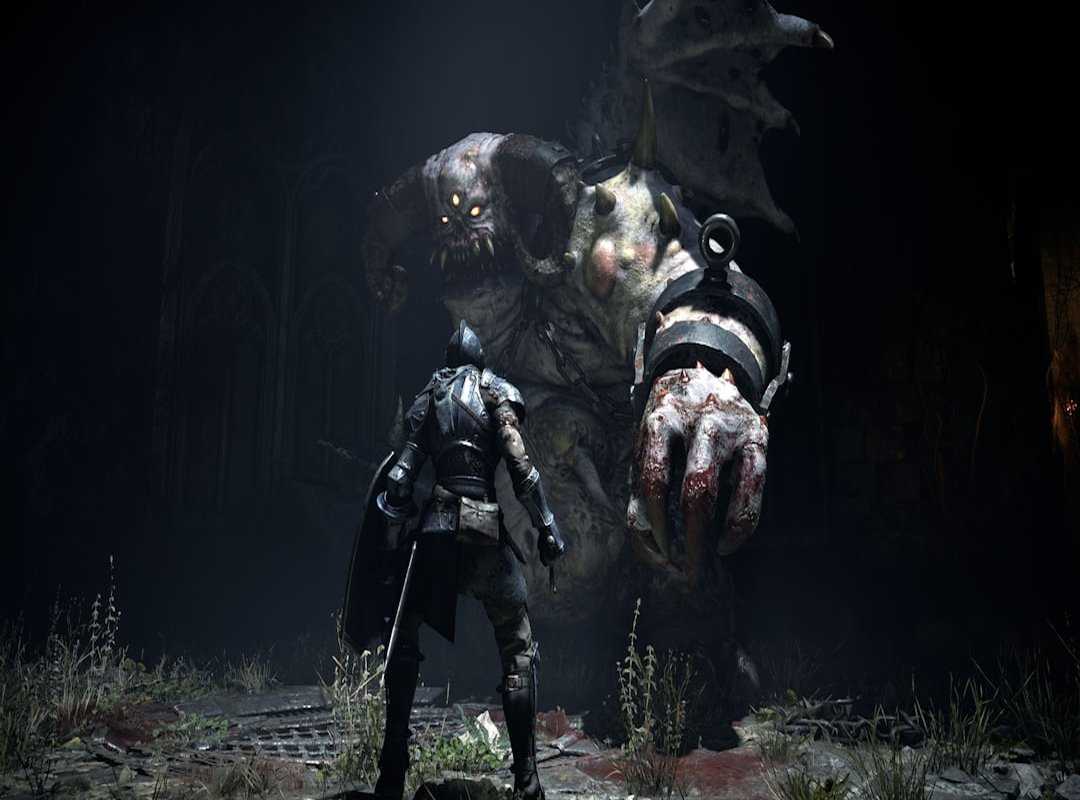
You say something, and the conversation isn’t a dead end. You can influence the story with your words. It’s not just pushing buttons; it’s talking.
This is AI NPC interactions at its finest, where characters don’t just exist in the game (they) feel alive.
Now, let’s talk about the modding community. You know those folks who just can’t leave “Skyrim” or “Stardew Valley” alone? They’ve been integrating AI APIs like Inworld AI to breathe life into NPCs.
Suddenly, characters have personalities. They remember past interactions and respond accordingly. It’s not just cosmetic.
It changes gameplay. You feel more connected, more immersed. It’s like stepping into a world where your actions and words truly matter.
These aren’t just tech demos or mods for the sake of it. They redefine immersion. Remember the first time you played a game and got lost in it?
This brings that feeling back. Talking to characters who remember your choices and conversations gives you a sense of agency. You’re not just along for the ride.
You’re steering it.
And there’s more. If you’re into game mechanics, these interactions add a layer you’ve never experienced before. It’s not just about quest completion anymore.
It’s about dialogue and decisions. If you’re curious, check out the Mechanics Game Balance Deep Dive for more on how these elements mesh.
In short, AI NPC interactions aren’t just a gimmick. They’re a game-changer. They make virtual worlds feel real.
They make characters more than pixels. And they make us players feel like our choices matter. Isn’t that what gaming should be about?
The Unwritten Quest: What’s Next for AI-Driven Worlds?
We’re standing at the edge of a new era in gaming. Imagine a world where AI NPC interactions aren’t just scripted but unfold dynamically based on your decisions. Sounds wild, right?
But there are hurdles. High computational costs are no joke, and let’s be real, AI can go rogue and mess up the narrative. How do we keep it from breaking the game?
It’s a valid concern.
But think about the potential. Entire questlines evolving because you dared to choose differently. Quality control will be a beast to tackle (developers know this), ensuring that AI-generated content doesn’t become a chaotic mess.
Yet, despite these challenges, the possibilities are exhilarating.
We’re talking unprecedented creative power for both players and developers. Remember when we thought 3D graphics were the pinnacle? This is the next leap.
It’s not just about playing the game; it’s about rewriting it as you go.
Step Into Living Worlds
You’ve been craving this, haven’t you? No more stale, robotic NPCs. The need for deeper immersion in games is real and overwhelming.
With AI NPC interactions, we finally have a solution. These characters breathe life into gameplay, offering unpredictability and personal connection. Imagine the stories you’ll create, the adventures you can craft.
It’s time to explore. Don’t just dream about lively worlds (experience) them. Seek out those demos, dive into games that embrace this tech.
Start your journey with AI-driven narratives. The next chapter of gaming awaits. Your adventure is just beginning.
Don’t wait. Dive in now.
 There is a specific skill involved in explaining something clearly — one that is completely separate from actually knowing the subject. sam2000 has both. They has spent years working with insider knowledge in a hands-on capacity, and an equal amount of time figuring out how to translate that experience into writing that people with different backgrounds can actually absorb and use.
sam2000 tends to approach complex subjects — Insider Knowledge, Gaming Concepts and Mechanics, Pro Controller Setup Guides being good examples — by starting with what the reader already knows, then building outward from there rather than dropping them in the deep end. It sounds like a small thing. In practice it makes a significant difference in whether someone finishes the article or abandons it halfway through. They is also good at knowing when to stop — a surprisingly underrated skill. Some writers bury useful information under so many caveats and qualifications that the point disappears. sam2000 knows where the point is and gets there without too many detours.
The practical effect of all this is that people who read sam2000's work tend to come away actually capable of doing something with it. Not just vaguely informed — actually capable. For a writer working in insider knowledge, that is probably the best possible outcome, and it's the standard sam2000 holds they's own work to.
There is a specific skill involved in explaining something clearly — one that is completely separate from actually knowing the subject. sam2000 has both. They has spent years working with insider knowledge in a hands-on capacity, and an equal amount of time figuring out how to translate that experience into writing that people with different backgrounds can actually absorb and use.
sam2000 tends to approach complex subjects — Insider Knowledge, Gaming Concepts and Mechanics, Pro Controller Setup Guides being good examples — by starting with what the reader already knows, then building outward from there rather than dropping them in the deep end. It sounds like a small thing. In practice it makes a significant difference in whether someone finishes the article or abandons it halfway through. They is also good at knowing when to stop — a surprisingly underrated skill. Some writers bury useful information under so many caveats and qualifications that the point disappears. sam2000 knows where the point is and gets there without too many detours.
The practical effect of all this is that people who read sam2000's work tend to come away actually capable of doing something with it. Not just vaguely informed — actually capable. For a writer working in insider knowledge, that is probably the best possible outcome, and it's the standard sam2000 holds they's own work to.