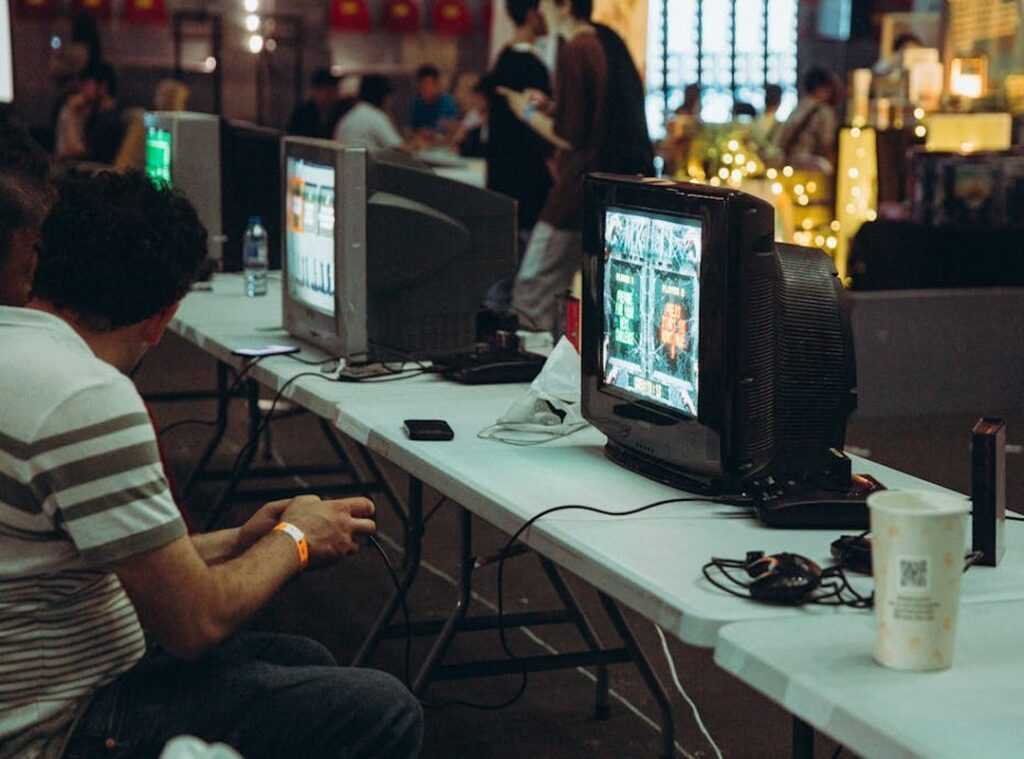

Picture the final seconds of a heated tournament. One player grips a unique controller, while the other adjusts a visual mod for colorblindness. Is this the future of fair play, or a slippery slope?
I’ve seen years of community debates, pored over developer patch notes, and studied tournament rulebooks. Finding that fine line between adaptation and unfair advantage? It’s tricky.
But it’s key.
In this article, I’ll break down the complexities of balanced mods game tournaments. Why trust me? Because I’ve spent years immersed in this world, dissecting these issues as they evolve.
You’ll get a clear, actionable guide to get through this chaos. Players, organizers, fans. Everyone needs to make sure competition remains fierce yet fair.
The spirit of gaming thrives on fairness. Let’s keep it that way.
What Are ‘Equitable Modifications’? Drawing the Line
Equitable modifications. Sounds like something out of a law textbook, right? But it’s pretty simple.
These mods change hardware, software, or settings to remove barriers without giving anyone a leg up. Picture a runner with a prosthetic leg getting a blade to run. Not a jetpack.
That’s the crux. Keeping things fair.
Now, let’s break down these concepts. Equitable Mods level the playing field. A colorblind filter? Perfect example.
Then you’ve got Quality of Life changes. These are about convenience, not power. Custom menu layouts make life easier.
But they don’t change the game. Cheats, though? That’s where we cross into unfair territory.
Think aimbots. They’re like bringing a bazooka to a pillow fight.
Got it? Good. We need to be clear on these distinctions, especially in competitive scenes.
The goal? Maintain balanced mods game tournaments. It’s not just about fairness (it’s) about integrity.
For more on how mods have shaped competitive play, check out top 5 mods changed competitive play. This stuff matters if you care about esports (and trust me, you should). Without these lines in the sand, it’s chaos.
And who wants that in their game?
The Stakes in Esports: Why Fair Play Matters
Have you ever wondered why fairness is such a hot topic in esports? If you’ve looked at the prize pools lately, you’d get it. As viewership and money grow, maintaining a game’s integrity isn’t just about keeping players happy; it’s about keeping the whole scene legitimate.
One scandal can wreck a league’s reputation overnight. Who’s going to tune in if they think the winner is predetermined by bad rules or lack of access?
Now, have you ever thought about the human angle? I’m talking about inclusivity. Balanced mods in game tournaments aren’t just for leveling the playing field; they open doors for players with physical disabilities.
Imagine being a gamer with a visual impairment. An equitable mod might mean the difference between spectating and actually competing. By widening the talent pool, we make the community more strong and.
Dare I say it (more) exciting to watch.
to “competitive integrity.” It’s not about forcing identical setups. It’s about making sure victory comes from skill, plan, and teamwork, not the gear in your backpack. Is that too much to ask?
I don’t think so.
And hey, developers, you’re not off the hook. When you embrace accessibility and clear modding policies, you build loyal communities. Who wouldn’t want a fanbase that sticks around?
These choices can make or break the long-term success of your game.
Game Mods: The Three Pillars of Equitable Play
When it comes to game tournaments, balanced mods are important. Let’s break down the three pillars of equitable modifications: Accessibility, Hardware, and In-Game Software. First up, Accessibility Mods.
These focus on changes that address real human limitations. Not some imaginary problem a developer thinks we have. Ever tried playing Fortnite without sound?
Audio visualizers for deaf players make a difference. Colorblind modes, too. They’re not just nice-to-haves; they’re game-changers.
Hardware Modifications are up next. You know those fancy controllers like the Xbox Adaptive Controller? They don’t play the game for you (that’s important).
They just let you play like everyone else. Custom-built fight sticks might look cool, but their real power lies in making standard actions possible for more players. Not automating complex actions.
That’s a line we shouldn’t cross.
Now, the most contentious pillar: In-Game Software/UI Mods. It’s a battlefield, really. Some mods offer purely informational help like clearer cooldown trackers.
Others, though, push boundaries by giving you data you shouldn’t have, like enemy gear inspectors in battle royales. That’s cheating, plain and simple. Even World of Warcraft’s AddOn policy gets into this debate.
It draws lines that some players just want to blur.
Want to dive deeper into how mods impact tournaments? You should read more. It’s a tightrope act, balancing fair play and innovation.
But without these pillars, the foundation crumbles. So, which mods are fair game in your opinion?
Exploring the Evolution of Competitive Gaming
When it comes to the Fighting Game Community (FGC), the debate around leverless controllers like the Hit Box isn’t about “cheating.” It’s about evolution. We’ve seen tournaments adapt, creating new rules to accommodate these changes. Why?

Because new input methods push boundaries. They’re not breaking the game. They’re reshaping it.
Now, FPS games like Valorant or CS:GO have another line to walk. Players tweak digital vibrance or monitor settings for better visibility. But where do we draw the line?
Software that strips away smoke or flashbang effects can feel like cheating. It’s a fine balance between enhancing visuals and altering gameplay. This isn’t just about fairness.
It’s about maintaining integrity in competition.
Plan games and MOBAs like Hearthstone and LoL face similar dilemmas. Overlays track cards or jungle timers. Are these tools giving players an unfair edge?
Or are they just automated notepads any player could use? Communities grapple with these questions, searching for balanced mods game tournaments can embrace. The goal?
Each case study highlights a principle: adaptation. Communities and developers alike work to find frameworks that keep competition fierce yet fair. Check out steam workshop::balanced tournament armor for more takeaways on how mods can boost tournament play without tipping the scales.
Level the playing field without stifling innovation.
It’s about evolving with the game, not against it.
What’s next? As tech advances, so will these debates. How will future tournaments adapt?
Only time will tell. But one thing’s clear: the arena is always evolving.
The Organizer’s Arsenal: Fair Play Essentials
Running a tournament isn’t a walk in the park. It’s more like herding cats during a fireworks show. You need a clear rulebook.
Why? Because if gamers don’t know what’s allowed, chaos reigns. Next up, a solid review process is key.
Players should submit their hardware and software for approval. Ever seen a game where mods overshadow core skills? That’s a no-go.
Prioritize the game’s integrity. Oh, and consult your community. They know what’s up.
Balanced mods game tournaments thrive when everyone feels heard. You’re not just organizing; you’re shaping an experience. Make it count.
Level the Playing Field
Equitable modifications in esports aren’t about giving up competition. They’re about highlighting skill over circumstance. Confusion and controversy around fairness?
It’s a real issue. But fear not. A clear system (think the three pillars) and open dialogue in your community can change that.
So, why wait? Start a conversation. Use this system to build rules that champion both fairness and fierce competition.
The future of esports hinges on this. Dive into balanced mods game tournaments and see the difference. Our approach is the top-rated for a reason.
Take the plunge. Your next move could redefine esports entirely.
 There is a specific skill involved in explaining something clearly — one that is completely separate from actually knowing the subject. sam2000 has both. They has spent years working with insider knowledge in a hands-on capacity, and an equal amount of time figuring out how to translate that experience into writing that people with different backgrounds can actually absorb and use.
sam2000 tends to approach complex subjects — Insider Knowledge, Gaming Concepts and Mechanics, Pro Controller Setup Guides being good examples — by starting with what the reader already knows, then building outward from there rather than dropping them in the deep end. It sounds like a small thing. In practice it makes a significant difference in whether someone finishes the article or abandons it halfway through. They is also good at knowing when to stop — a surprisingly underrated skill. Some writers bury useful information under so many caveats and qualifications that the point disappears. sam2000 knows where the point is and gets there without too many detours.
The practical effect of all this is that people who read sam2000's work tend to come away actually capable of doing something with it. Not just vaguely informed — actually capable. For a writer working in insider knowledge, that is probably the best possible outcome, and it's the standard sam2000 holds they's own work to.