

Have you ever wondered how games like Minecraft or No Man’s Sky create endless, unique worlds every time you play? It’s mind-blowing, right? These games use a technique called procedural generation.
You’re not just getting a game; you’re getting a whole universe built through algorithms. These procedural generation games aren’t just buzzwords. They’re changing the way we play.
We’re diving into what it really means, breaking it down in simple terms. Curious about how it works? I’m here to break down the confusion.
I’ve spent countless hours dissecting game mechanics and buzzworthy concepts. Trust me, this tech is one of the most exciting things happening in gaming today. By the end of this article, you’ll understand why these games captivate us and how they keep us coming back for more.
What’s the Big Deal? Algorithmic Game Magic
Ever wondered what makes procedural generation games so special? They’re like a never-ending coloring book. Picture this: traditional games are static paintings, every detail hand-placed by a developer.
They’re beautiful but predictable. Algorithmically created games, on the other hand, are changing. The outlines are drawn by rules (algorithms), but the colors and details change every time you play.
It’s a masterpiece that evolves with each session.
So, what’s the engine behind this magic? It’s called Procedural Content Generation (PCG). PCG is what breathes life into these games.
It doesn’t get bogged down in the code but focuses on creating experiences that are new and exciting. Each playthrough feels like a fresh adventure. You never know what’s around the corner.
Sometimes even the creators don’t. Imagine having a game that surprises its own makers. Wild, right?
Now, let’s talk benefits. The main draw is near-infinite replayability. You can dive into the same game again and again, and it never gets old.
There’s a real thrill in discovering something unexpected. Every time you play, you’re on a genuine quest for new experiences. It’s like opening a new gift each time.
And if you’re keen on understanding sandbox gaming freedom, you’ll see how procedural generation games fit into that concept. They offer freedom and surprise, letting you explore without constraints. Isn’t that what gaming should be about?
In essence, these games keep you on your toes. They’re not just about playing; they’re about experiencing something unique every time. That’s the big deal.
The Magic Behind the Code: Game Worlds Unveiled
Creating a world from scratch? Sounds like magic. But it’s all about procedural generation games.
Want to know how it all comes together? Let’s jump in.
First off, developers start with a ‘recipe’. Think of it as a set of rules. Like, caves have to be underground.
Trees shouldn’t float on water. Boss rooms? Always at the end of the level.
It’s like baking a cake, but instead of flour and sugar, you’ve got code.
Now, for the ‘secret ingredient’: randomness. Games use something called ‘seeds’ to deliver randomness. Picture a deck of cards.
Sure, it’s the same 52 cards, but shuffle it, and every hand’s unique. That’s what these seeds do. They take the rules and shake things up each time.
Then come the ‘building blocks’. All the assets. Trees, rocks, baddies, and rooms are crafted individually.
But it’s the algorithm that stitches them into a world. The algorithm is the mastermind, assembling all these bits into something playable.
Picture this: generating a dungeon. It starts with the algorithm placing the start room. Then, like magic, it tacks on 3-5 rectangular rooms.
Hallways connect them all. Enemies lurk around, waiting to pounce. And in the last room?
A treasure chest, of course.
Simple, right? If you’re curious about how all this shakes out in real-world examples, this breakdown talks about games doing it right (or not).
So, the next time you wander through a game level that feels unpredictably fresh, you’ll know the secret. It’s a beautiful chaos of code, crafted by developers but brought to life through the magic of procedural generation. That’s how these worlds come to life.
Games That Build Themselves: Procedural Magic
Ever heard of procedural generation games? You’ve probably played one without even knowing it. Take Minecraft, for instance.
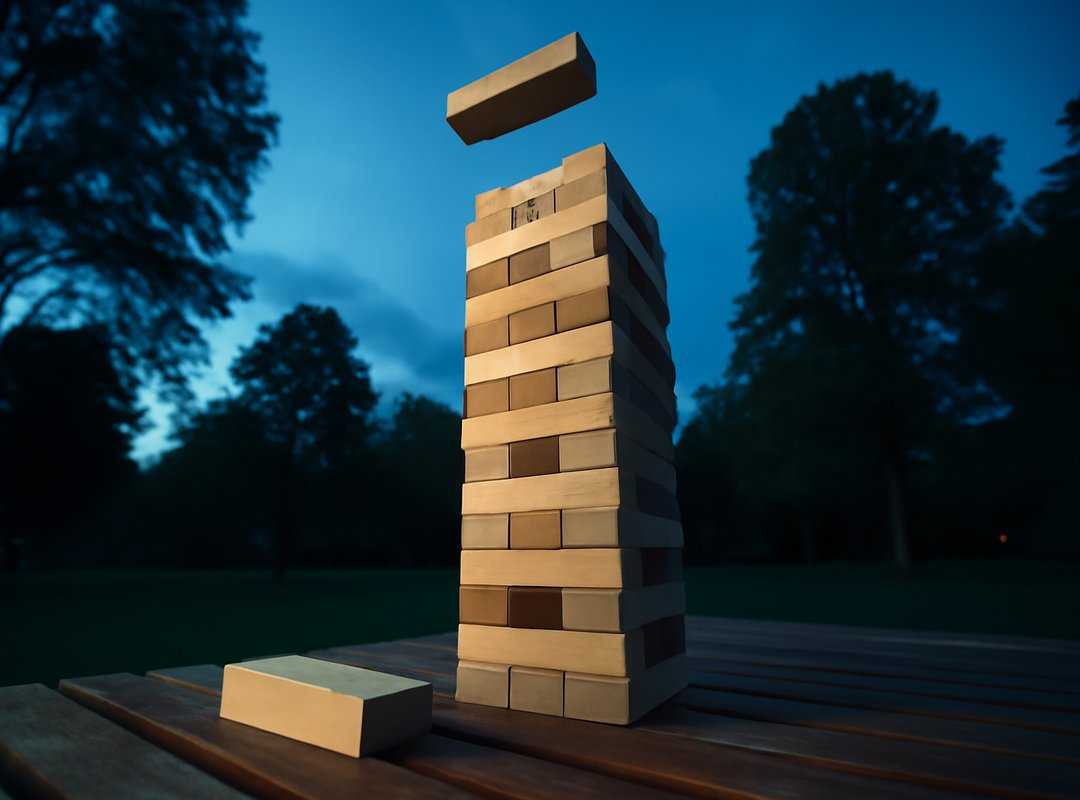
The world you dive into is never the same twice. Every mountain, cave, and village pops up thanks to an algorithm. All you need is a “seed” (a fancy word for a starting point), and voilà, a brand new universe unfolds just for you.
Each block you dig, every tree you chop (it’s) all part of this ever-changing space.
Now, let’s talk about games like Hades or The Binding of Isaac. They’re part of the “roguelike” genre. These games keep you on your toes with levels that change each time you play.
Chambers appear with different layouts, enemies mix things up, and power-ups? They’re shuffled constantly. So, every run feels fresh.
Trust me, one moment you’re on a roll, and the next, you’re scrambling from a surprise boss fight.
And then there’s No Man’s Sky. This one takes procedural generation to cosmic heights. Imagine a galaxy so vast that you can’t possibly see all of it.
Billions of planets, creatures, and plants (all) unique, all algorithmically generated. You want to explore? Be my guest, but good luck covering even a fraction of it.
It’s a bit like having the universe in your pocket (if your pocket was infinitely large and you had a lot of time).
But wait, there’s more! (I sound like a commercial, don’t I?) Spelunky gives you randomized levels, and Diablo throws in unpredictable loot drops and dungeon layouts. It’s creativity meets chaos in the best way.
For more on how these mechanics blend with game balance, check out this Mechanics Game Balance Deep Dive. It’s a fascinating look at how game design keeps us coming back for more.
Endless Fun or Creative Chaos?
Procedural generation games: a blessing or a curse? These games are infinitely replayable. No two playthroughs are alike, which is wild.
Imagine stumbling into a corner of the game world no one’s ever seen. That’s true exploration. You feel like an adventurer.
And the surprises? Unpredictable moments can be hilarious too. Even when you end up facing a horde of kangaroos instead of enemies.
But let’s talk about the downsides. These worlds often feel generic. There’s something about a handcrafted map that screams personality.
It’s missing here. Plus, weird glitches happen more often than I’d like. Ever fallen through the ground or seen completely bizarre terrain?
Yeah, me too. It’s frustrating because you’re never sure if it’s part of the game or a bug.
And the narrative? Procedural games struggle with storytelling. You can’t tell a tight, compelling story if the world keeps changing.
Yet, the randomness is what some players crave. They want endless possibilities. It’s a tug-of-war between creativity and chaos.
Does that make them any less fun? Not for everyone. It’s all about what you’re looking for in a game.
Are you up for the challenge or just want a good story?
Dive Into Limitless Worlds
You’ve cracked the mystery. No more hunting for that next great game without knowing what you’re getting into. Those clever rules behind procedural generation games offer infinite, unique adventures.
Why stick to the same old stories? Your next gaming fix is just a click away. Visit your favorite store, look for that “procedurally generated” tag, and start exploring.
Ready for endless surprises? Call yourself a real gamer and take the plunge now. You won’t regret it!
 There is a specific skill involved in explaining something clearly — one that is completely separate from actually knowing the subject. Veyrana Velthoria has both. They has spent years working with game buzz central in a hands-on capacity, and an equal amount of time figuring out how to translate that experience into writing that people with different backgrounds can actually absorb and use.
Veyrana tends to approach complex subjects — Game Buzz Central, Gaming Concepts and Mechanics, eSports Strategy Breakdowns being good examples — by starting with what the reader already knows, then building outward from there rather than dropping them in the deep end. It sounds like a small thing. In practice it makes a significant difference in whether someone finishes the article or abandons it halfway through. They is also good at knowing when to stop — a surprisingly underrated skill. Some writers bury useful information under so many caveats and qualifications that the point disappears. Veyrana knows where the point is and gets there without too many detours.
The practical effect of all this is that people who read Veyrana's work tend to come away actually capable of doing something with it. Not just vaguely informed — actually capable. For a writer working in game buzz central, that is probably the best possible outcome, and it's the standard Veyrana holds they's own work to.
There is a specific skill involved in explaining something clearly — one that is completely separate from actually knowing the subject. Veyrana Velthoria has both. They has spent years working with game buzz central in a hands-on capacity, and an equal amount of time figuring out how to translate that experience into writing that people with different backgrounds can actually absorb and use.
Veyrana tends to approach complex subjects — Game Buzz Central, Gaming Concepts and Mechanics, eSports Strategy Breakdowns being good examples — by starting with what the reader already knows, then building outward from there rather than dropping them in the deep end. It sounds like a small thing. In practice it makes a significant difference in whether someone finishes the article or abandons it halfway through. They is also good at knowing when to stop — a surprisingly underrated skill. Some writers bury useful information under so many caveats and qualifications that the point disappears. Veyrana knows where the point is and gets there without too many detours.
The practical effect of all this is that people who read Veyrana's work tend to come away actually capable of doing something with it. Not just vaguely informed — actually capable. For a writer working in game buzz central, that is probably the best possible outcome, and it's the standard Veyrana holds they's own work to.