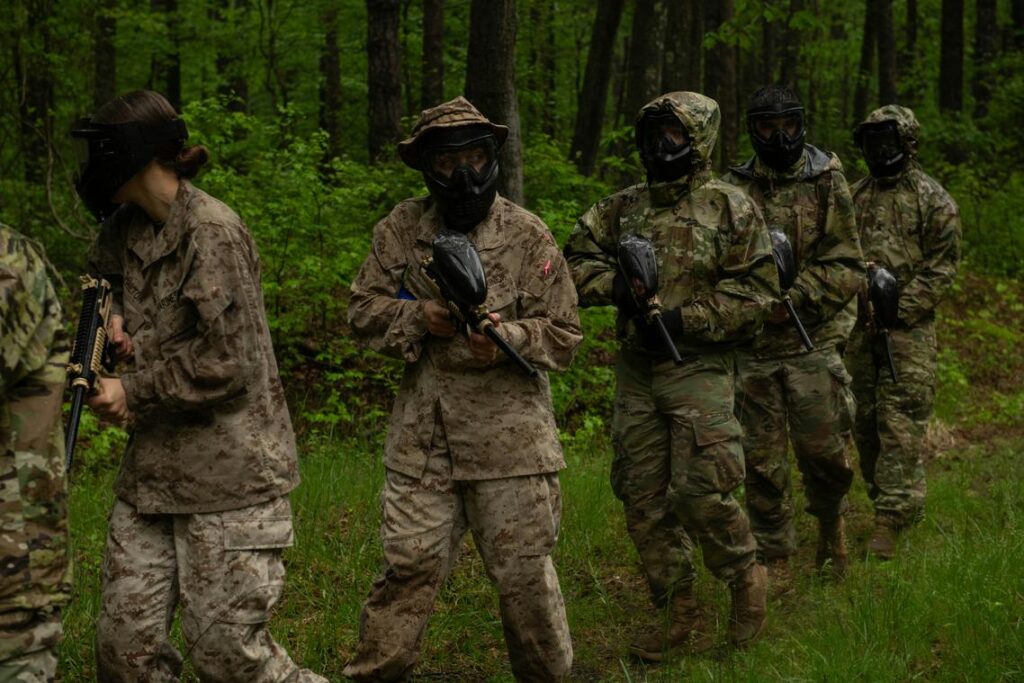
If you’re searching for a competitive edge in today’s fast-paced gaming landscape, you’re in the right place. Whether you’re trying to climb ranked ladders, sharpen your mechanics, or understand the deeper strategies behind pro-level play, this article is built to give you clear, actionable insights that align with how top players actually approach the game.
We break down the core concepts that separate casual play from high-level performance—covering essential fundamentals, advanced decision-making, and practical adjustments you can apply immediately. From optimizing your setup to mastering map control tactics, every section is designed to help you think smarter, react faster, and play with intention.
Our insights are grounded in extensive analysis of competitive matches, evolving meta trends, and proven eSports strategies used at the highest levels of play. By the end of this guide, you’ll not only understand what works—but why it works—and how to apply it consistently in your own games.
Most players think aim wins arenas. It doesn’t. Position does. High ground—elevated terrain that extends vision and shortens enemy exposure—turns shooters into highlights (yes, even that friend who blames lag). Meanwhile, cover—any object that breaks line of sight—lets you reload, heal, and bait pushes. Yet some argue hyper-aggression beats planning. Sometimes. But blindly sprinting through choke points—narrow pathways that funnel teams into predictable fights—is how you get farmed.
Instead, study map control tactics: rotate early, hold power angles, and force enemies uphill. For example, teams in Valorant anchor sites before the clock pressures rotates. Pro tip: arrive first, leave last.
The High Ground Advantage: Gaining Superior Lines of Sight
High ground is exactly what it sounds like: occupying elevated terrain to gain superior vision, cleaner angles, and positional leverage. In competitive shooters, elevation increases your line of sight (the visible area you can shoot or gather intel from) while shrinking your opponent’s viable cover. As one IGL put it during a scrim, “If we own height, they’re the ones guessing.”
Some argue high ground is overrated—“Just aim better,” a ranked grinder once told me. Mechanical skill matters. But physics and geometry matter more. From above, recoil is easier to manage, head glitches are stronger, and enemies are forced into predictable choke points (never where you want to be).
In Apex Legends on World’s Edge, squads fight relentlessly for Fragment’s rooftops because vertical control dictates third-party potential. On Valorant’s Icebox, holding Rafters on A site forces attackers into exposed plant paths. A pro player once said in a post-match interview, “We didn’t win the duel—we won the position.” That’s the difference.
To claim and hold elevation:
- Use mobility abilities early to secure height before the enemy rotates.
- Deny vertical pushes with smokes, mollies, or arc stars.
- Crossfire with a teammate watching flanks.
- Use map control tactics to limit access routes.
Counter-play exists. Flanking from unexpected vertical routes, coordinated utility dumps, or forcing them off with ultimates can flip the script. As one coach bluntly told his team: “Don’t ego-challenge height. Break it.” (Pro tip: patience wins more high-ground retakes than hero plays.)
Using Cover and Concealment Like a Professional
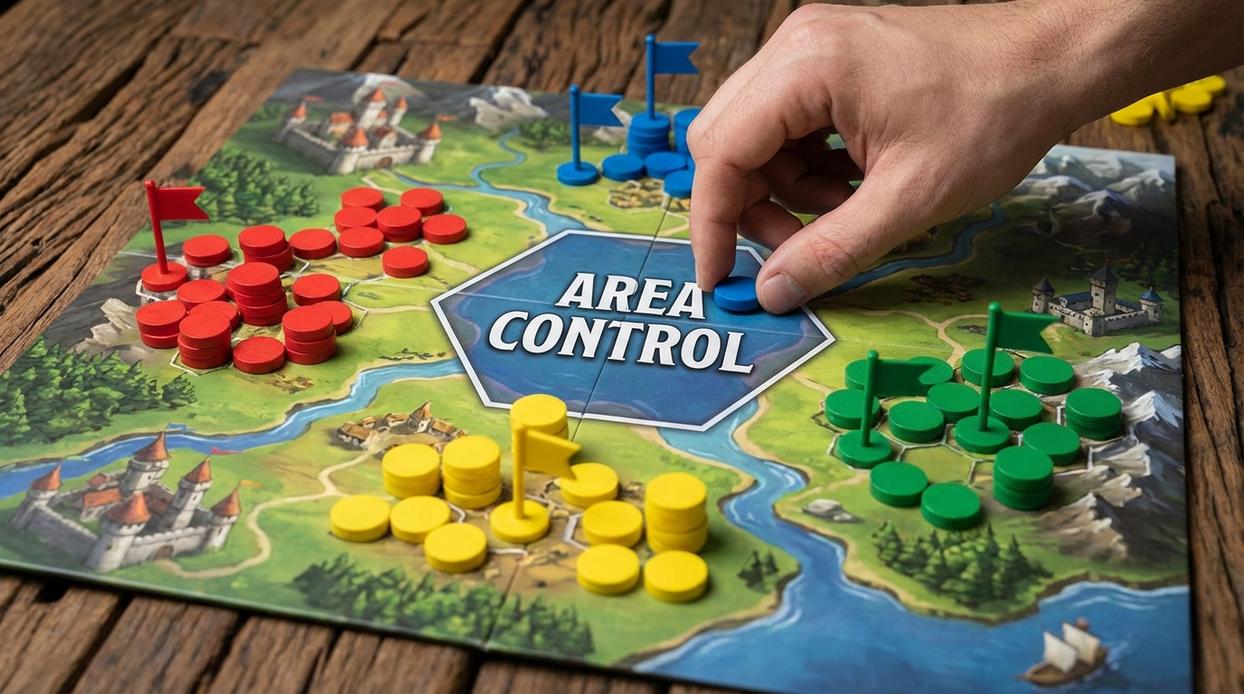
If you want to win more gunfights, stop blaming your aim and start blaming your positioning. In my opinion, cover usage is the most underrated skill in competitive shooters.
Hard vs. Soft Cover is where it starts. Hard cover refers to solid, non-penetrable objects—think concrete walls or thick steel barriers. Bullets stop. You live. Soft cover, like wooden crates or drywall, only hides you visually but can still be shot through (and yes, many modern shooters model bullet penetration—see Battlefield and Rainbow Six Siege mechanics). The tactical implication? Treat soft cover as temporary. Linger too long and you’re basically in a dramatic action movie scene—minus the plot armor.
Then there’s The Art of the Peek. “Jiggle-peeking” means quickly strafing in and out of cover to bait shots or gather intel without fully exposing your character model. I love this technique because information wins fights. A quick shoulder peek can force an enemy to reload or reveal their position.
Minimizing Exposure is about “slicing the pie”—clearing one angle at a time while staying behind cover. Instead of swinging wide, you gradually reveal sightlines. It’s slower, yes. But smart beats flashy.
Use map control tactics in the section once exactly as it is given
Pro Controller Tip: Map jump or crouch to rear paddles. It allows fluid movement while aiming—huge in tight engagements.
For a broader strategic layer, study the role of in game leaders in esports success. Great IGLs obsess over positioning (and they’re usually right).
Controlling Choke Points and Forcing Engagements
What Are Choke Points?
Choke points are narrow passages on a map that funnel player movement into tight, predictable lanes. Think doorways, stairwells, alleyways, or jungle corridors—anywhere movement compresses. Because players must pass through them, these zones become prime real estate for ambushes and defensive setups. In my opinion, whoever controls the choke often controls the round (it’s basically the “You shall not pass” moment of competitive shooters).
That said, some argue that overcommitting to choke points limits flexibility. They’re not wrong—hyper-fixating on one corridor can leave flanks exposed. Still, ignoring them entirely is worse. These areas are natural pressure valves in map control tactics, and smart teams exploit that reality.
Defensive Strategies
First, crossfires are king. A crossfire is when two or more defenders hold overlapping angles, forcing attackers into multiple lines of sight at once. Add area-denial utility—smokes (vision blockers) and molotovs (damage-over-time zones)—and you stall pushes before they even begin. Traps, whether proximity mines or alarm abilities, provide early intel (and free damage if you’re lucky).
However, defenders sometimes turtle too hard. I’ve seen teams burn all their utility in the first 20 seconds—then crumble when the real push comes. Pro tip: stagger your utility. Delay first, punish second.
Offensive Strategies
Breaking a fortified choke requires coordination. Flash abilities blind defenders, smokes isolate angles, and recon tools gather critical information. A solo hero play might look cool on a highlight reel, but synchronized pushes win tournaments.
Then there’s baiting—an event-level tactic where teams fake weakness at one choke to lure rotations, only to collapse on another. It’s psychological warfare (and honestly, when executed perfectly, it’s chef’s kiss). While some critics call it risky, I believe calculated deception separates good teams from championship rosters.
Start with an anecdote about the time I kept losing firefights on a wide-open map. I used to sprint from point A to point B, ignoring rooftops and alleyways, and I paid for it. However, once I began treating terrain like a weapon, everything changed. High ground gave vision; cover bought seconds; choke points funneled enemies into predictable paths. In other words, smart map control tactics let me dictate fights instead of surviving them. Of course, some argue raw aim matters more, but even sharpshooters fall without positioning. So, load into your next match and deliberately exploit one terrain feature.
Dominate the Arena With Smarter Strategy
You came here to sharpen your competitive edge and understand how smarter in-game decisions translate into real wins. Now you’ve seen how strategic positioning, team coordination, pro controller optimization, and map control tactics work together to create consistent advantages at every level of play.
The biggest frustration for most players isn’t lack of effort—it’s losing matches they should have won. Missed rotations. Poor spacing. Wasted ultimates. Small mistakes that snowball into defeat. Mastering these concepts closes that gap and turns close games into controlled victories.
Here’s your move: apply one concept at a time in your next session—start with tightening your map control tactics, refine your setup, and review your decision-making after each match. If you’re serious about leveling up, dive deeper into our pro controller setup guides and advanced eSports strategies trusted by competitive players who want real results.
Stop guessing. Start playing with purpose. Jump back in, execute with confidence, and turn every match into a calculated win.