
If you’re searching for deeper insight into how modern games really work—beyond surface-level tips—you’re in the right place. This article breaks down the core systems that shape competitive play, from game economy systems and resource loops to eSports strategies, event-level tactics, and optimized controller setups. Whether you’re aiming to climb ranked ladders or simply understand why top players make the decisions they do, we’ll connect high-level concepts to practical, in-game execution.
Many players struggle because they focus on mechanics alone, overlooking the structural systems that dictate pacing, power spikes, and long-term advantage. Here, we analyze those systems clearly and strategically, drawing from competitive gameplay research, pro match breakdowns, and hands-on controller configuration testing.
By the end, you’ll understand not just what to do—but why it works—so you can adapt faster, play smarter, and gain a measurable edge in any competitive environment.
Every gamer knows the sting of grinding for hours only to face a brutal paywall. That frustration isn’t difficulty—it’s bad design.
A strong economy respects time and fuels motivation. To fix yours, focus on practical levers inside your game economy systems:
- Balance supply and demand: If rare swords drop every minute, they’re not rare.
- Create multiple earning paths: quests, crafting, trading.
- Cap inflation with smart sinks like repair fees or cosmetic upgrades.
Test with real players. Track progression speed. If rewards feel earned—not extracted—you’re building a market players actually enjoy. Fairness turns grinding into growth, not resentment. Design with empathy.
The Core Loop: Sources, Sinks, and the Flow of Value
At the heart of all game economy systems is a simple loop: value comes in, and value goes out.
Sources (Faucets) are how currency and items enter the world. Think monster drops, quest rewards, crafting outputs, or daily login bonuses. If you’ve ever farmed a dungeon for gold or materials, you’ve interacted with a source. Even battle pass rewards count. (Yes, that “free” skin still entered the economy somehow.)
Sinks (Drains) permanently remove value. Common examples include:
- Item repair costs
- Auction house taxes
- Consumables like potions
- Gear destroyed during failed enhancement attempts
Without sinks, inflation takes over. According to MMO economy analyses presented at GDC, unchecked currency generation leads to rapid price spikes and devalued rewards (GDC Vault). Suddenly, that epic sword costs a billion gold—and nothing feels special.
On the flip side, too many sinks create deflation. Players hoard resources, upgrades feel punishing, and progression stalls.
Practical tip: Track one resource for a week. Are you consistently gaining more than you spend? If so, expect price inflation. If you’re always broke despite heavy play, the system may be sink-heavy.
Balance is the engine of progression. When sources and sinks feel fair, effort equals reward—and that’s when the grind feels good.
The Art of Scarcity: Making Items Feel Meaningful, Not Impossible
“If everyone has the best sword by week two, what’s the point?” a guild leader once asked during a late-night raid debrief. He wasn’t joking.
The Danger of Abundance
When top-tier loot floods a game economy systems model without restraint, value collapses. In economics, inflation means too much currency chasing too few goods. In games, it’s too many legendary drops chasing too little effort. The result? Achievement feels rented, not earned. As one player bluntly put it, “My epic doesn’t feel epic anymore. It feels standard.”
Hyper-accessible rewards shorten a game’s lifespan because progression (the structured journey of growth) loses meaning. If everyone wields the same glowing blade, prestige evaporates. It’s the participation trophy problem—fine for morale, terrible for myth-making.
The Frustration of the Grind
But swing too far the other way and players revolt. “I’ve run this dungeon 87 times,” another player vented. “At this point, it’s not rare. It’s cruel.”
When drop rates are microscopic, designers risk disrespecting player time. Burnout replaces excitement. Scarcity without hope feels like a slot machine with a broken lever (and nobody enjoys that casino).
Practical Solutions for Balanced Rarity
Designers can create anticipation without exhaustion:
• Tiered Loot Systems (Common / Uncommon / Rare / Epic) establish visible progression.
• Targeted Farming lets players pursue specific rewards instead of praying to randomness.
• Pity Timers & Bad Luck Protection guarantee eventual payoff after repeated attempts.
As one developer summarized, “Players don’t mind effort. They mind uncertainty without limits.” Balance scarcity with respect, and items become stories—not statistics.
Empowering Players Through Meaningful Economic Choices
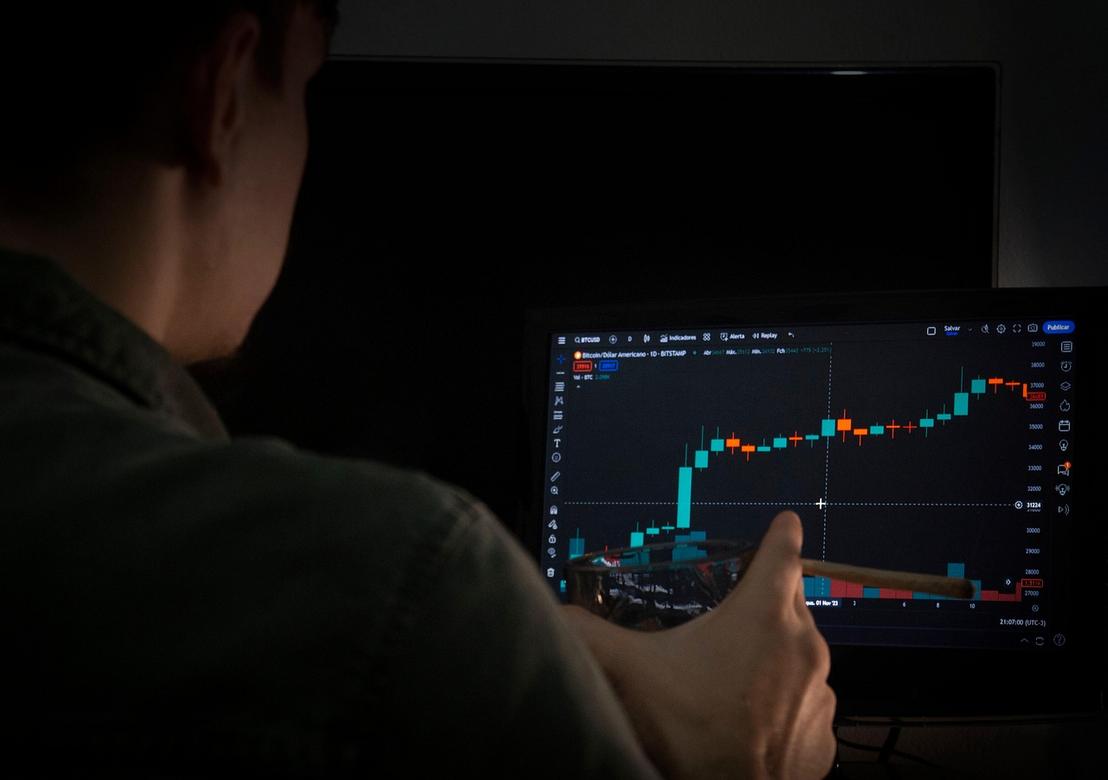
Great multiplayer worlds thrive on meaningful decisions. One of the most overlooked tools for that? Smart economic design. When players understand how currencies, trade, and specialization work, they gain real agency (and not the illusion of it).
Beyond a Single Currency
Relying on one universal currency often flattens progression. Multiple currencies, however, create distinct paths and motivations:
- Gold for general trade and everyday purchases
- Dungeon Tokens for rare PvE gear
- PvP Badges for competitive rewards
This structure separates effort types. A dungeon runner isn’t forced into PvP to stay competitive, and vice versa. Some argue that multiple currencies feel confusing or bloated. That’s fair—too many tokens can overwhelm new players. But when clearly explained (see currency tooltips and vendor labeling), they provide clarity, not chaos.
Fostering a Player-Driven Market
Open trading systems—auction houses or direct player-to-player exchanges—transform static worlds into living economies. They allow different archetypes to thrive:
- The meticulous crafter
- The savvy merchant
- The loot-hunting adventurer
Critics worry about inflation or market manipulation. Those risks are real (EVE Online is a famous example, per CCP Games reports). Yet well-designed sinks and trade limits stabilize game economy systems while preserving freedom.
Economic Specialization
Allowing non-combat roles—master crafters, gatherers, transporters—builds identity. A player known for legendary armor crafting gains reputation capital, a real social asset.
If you want deeper insight into how these systems connect, review understanding core game mechanics every player should know.
Pro tip: Reward specialization with visible recognition (titles, cosmetic flair). Status reinforces participation—and keeps economies alive.
The Fine Line: Monetization That Supports, Not Sabotages
Healthy monetization, often called pay-for-convenience, means selling extras that save time or change appearance without boosting raw power. Think cosmetic skins, flashy mounts, or optional XP boosts. They enhance experience, not dominance. In balanced game economy systems, these purchases respect skill.
Destructive monetization, better known as pay-to-win (P2W), sells clear power advantages—stronger weapons, stat boosts, exclusive abilities. When money equals might, competition tilts.
Some argue P2W funds updates faster. Fair point. But crossing that line erodes trust, cheapens hard-earned victories, and fractures communities (no one likes losing to a credit card) ever.
Your Economy Is a Core Gameplay Mechanic
A great economy isn’t a menu tucked behind the action—it’s the engine. The best game economy systems balance value, reward effort, and add real strategic depth. When players weigh risk versus reward, they’re not “managing resources”; they’re making meaningful choices (and feeling clever about it).
Some argue economy design should stay invisible. But that misses the advantage: when tuned well, it becomes a competitive edge competitors rarely dissect—like how pricing friction shapes pacing.
- Ask one question: Does this make the game more fun and compelling to play?
If participation feels fair and enriching, players won’t avoid the economy—they’ll chase it.
Level Up Your Strategy and Take Control of the Game
You came here to better understand how competitive strategies, event-level tactics, and game economy systems shape real outcomes in today’s gaming landscape. Now you have the clarity to see how smart resource management, sharper decision-making, and optimized setups directly impact your performance.
The difference between average and elite players often comes down to one thing: mastering the systems others overlook. Mismanaging in-game currency, ignoring economy timing, or failing to adapt your controller configuration can quietly sabotage your progress. That frustration? It’s not about skill alone. It’s about strategy.
Now it’s your move.
Start refining your approach to game economy systems, apply tighter event-level tactics, and optimize your controller setup for consistency under pressure. If you’re serious about climbing ranks and gaining a competitive edge, dive deeper into advanced guides, stay updated on evolving meta shifts, and put these strategies into practice today.
The next win isn’t about playing more — it’s about playing smarter. Take what you’ve learned and step into your next match prepared to dominate.