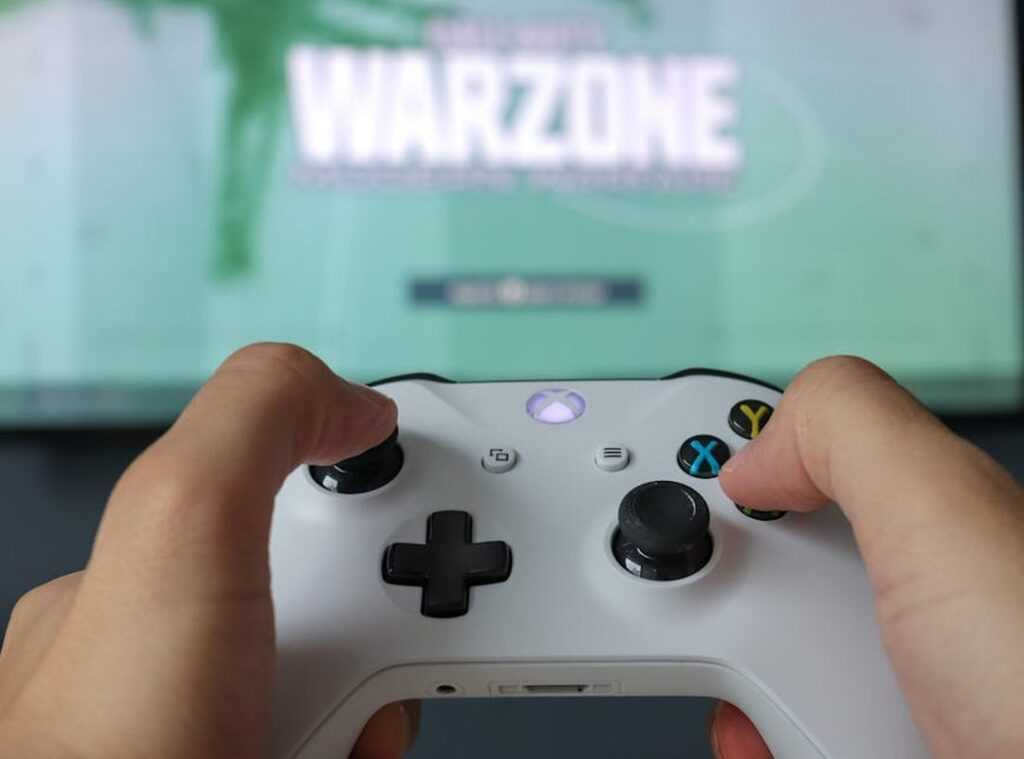

Talent might get you noticed, but structure turns ranked grinders into tournament winners. If you’re here, it’s because your squad has hit that frustrating plateau—scrimming more, grinding longer, yet seeing little real progress. The difference isn’t just mechanics; it’s esports team preparation built on discipline, strategy, and repeatable systems. In this guide, we break down the complete training blueprint used by dominant teams across major titles—from daily practice schedules and targeted in-game drills to physical conditioning and tactical review frameworks. These methods are drawn from proven competitive structures designed to transform raw skill into coordinated, championship-level performance.
Structuring for Success: The 8-Hour Pro Gamer’s Day
The Myth of the 16-Hour Grind
You can almost hear the rapid mouse clicks at 2 a.m., see the blue glow of monitors in dark rooms, feel the stiffness in your wrists. The 16-hour grind sounds heroic. Some argue that raw volume builds greatness. After all, more reps equal more skill, right?
Not exactly.
Research on deliberate practice shows focused, goal-driven sessions outperform unfocused marathon play (Ericsson et al., 1993). Fatigue dulls reaction time and decision-making—two pillars of competitive gaming. What feels like “dedication” often smells more like burnout.
Block Scheduling: A Smarter Template
Structured blocks sharpen intensity while protecting stamina. A balanced day might look like:
- Morning Block (2 hours): Individual mechanical drills and warm-ups.
- Mid-Day Block (3 hours): Team scrimmages against high-level opponents.
- Afternoon Block (2 hours): VOD review and strategy refinement.
- Final Hour (1 hour): Cool-down or mental conditioning.
This rhythm mirrors professional esports team preparation, where every hour has a purpose (not just vibes and caffeine).
The Importance of Breaks
Breaks reset the senses—the stretch of muscles, the taste of real food, the quiet after headset static. Critics say pauses kill momentum. In reality, recovery sustains it. Integrating insights from the role of mental coaching in competitive gaming success reinforces that mental resets aren’t optional—they’re strategic.
Isolating Mechanical Skills
Mechanical skills are the repeatable, hands-on actions that translate intention into execution—aiming, last-hitting, movement timing. Think of them as the muscle memory layer of performance (the “wax on, wax off” of competitive gaming).
Targeted drills mean isolating one skill at a time using custom maps, aim trainers, or hyper-specific in-game scenarios. If your last-hitting fails under pressure, load a solo lobby and farm for 20 minutes without distractions. If your tracking aim wobbles, grind controlled scenarios until it’s boringly consistent.
- Drill one mechanic per block
- Track accuracy or success rate
- Increase difficulty gradually
Some argue pure ranked play is enough practice. It’s not. Ranked blends chaos with ego. Isolated reps create control.
Consistency over intensity wins long term. A focused 30–60 minute daily warm-up outperforms a five-hour burnout session (your wrists will thank you). Pro tip: stop while you’re still sharp, not tilted.
The Science of Scrimmaging
Scrims aren’t glorified ranked games; they’re controlled experiments. Purposeful practice means setting one objective per block: testing a new composition, refining early rotations, or tightening late-game shot-calling. Without a goal, you’re just speedrunning bad habits.
- Define the focus beforehand
- Review immediately after
- Adjust before the next block
Some teams avoid strong opponents to “protect morale.” That’s like studying for a math test by redoing questions you already know. Quality rivals expose weaknesses fast—essential for esports team preparation.
Video on Demand (VOD) Review: The Ultimate Learning Tool
A VOD is recorded gameplay used for analysis. Individual review targets positioning errors or missed mechanics from a player’s POV. Team review zooms out to macro decisions, communication gaps, and timing windows.
The coach’s role? Keep it objective. No blame, no dramatic sighs. Just timestamps, patterns, solutions. (Yes, even if someone forgot the objective again.) Constructive review turns cringe moments into competitive edges.
The Athlete’s Edge: Physical and Mental Conditioning
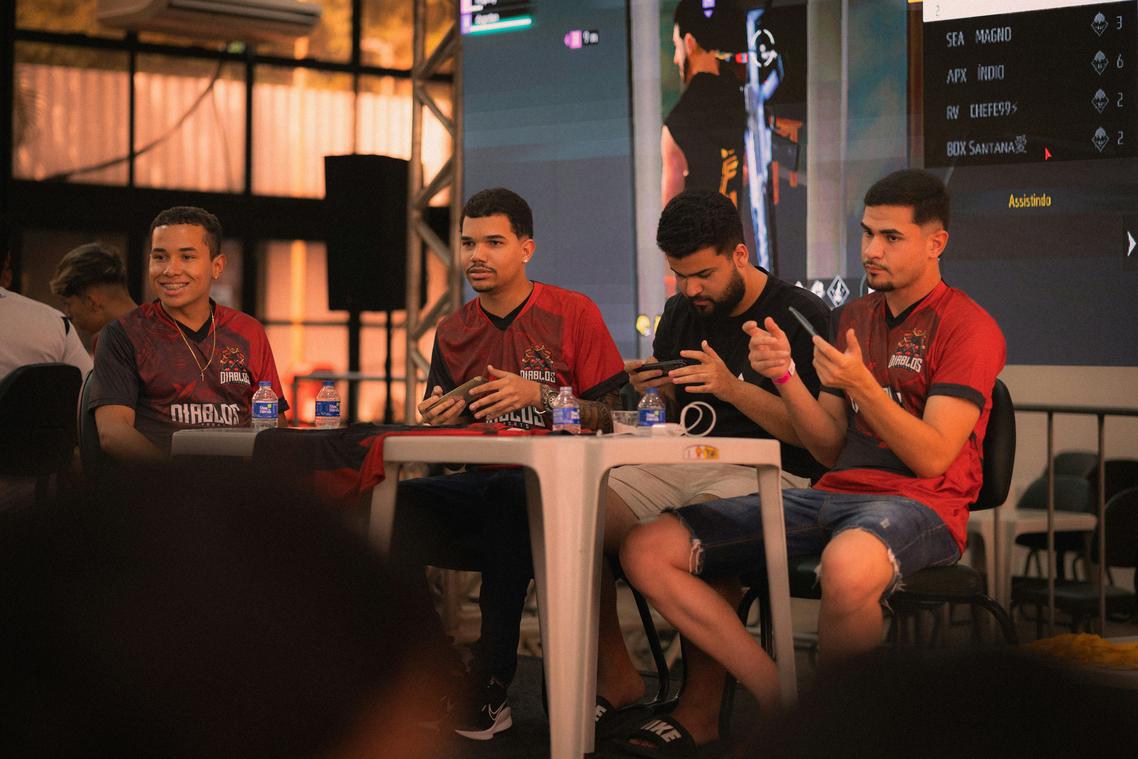
I learned this the hard way. During a weekend tournament, I skipped breakfast, lived on energy drinks, and wondered why my reaction time felt half a second slow. By game three, my hands were steady—but my focus wasn’t. Fueling the brain is fueling performance.
Nutrition directly affects reaction time (how quickly you respond to stimuli) and endurance (how long you sustain peak output). Studies link dehydration to reduced cognitive performance and slower processing speed (Harvard Health). A simple gamer-friendly plan: oatmeal and eggs for steady glucose, lean protein and rice for lunch, nuts or yogurt between matches, and consistent water intake. Pro tip: sip, don’t chug—steady hydration prevents energy crashes.
Some argue gaming is purely mental, so physical training is optional. I disagreed after adding cardio. Better blood flow improved posture and reduced repetitive strain injury (RSI)—pain from repeated motions like rapid clicking (Mayo Clinic).
- 20 minutes cardio, 3x weekly
- Light strength training for shoulders and back
- Daily wrist and hip flexor stretches
Mental fortitude matters just as much. In esports team preparation, we practiced stress management—box breathing and visualization (mentally rehearsing success). Tilt-proofing, or resetting after mistakes, meant standing up, deep breathing, and reframing the loss as data. (Yes, sometimes you just need water and a walk.)
Forging a Unit: Strategy, Theorycrafting, and Communication
Forging a Unit means turning skilled players into one coordinated force. A default strategy is your comfort pick; a team playbook is your chess opening repertoire. One reacts, the other dictates. For example, instead of mirroring the meta comp, design an A/B setup: rush vs slow burn, dive vs peel. Which wins under pressure?
Next, compare loud comms vs layered comms. The first floods; the second filters. Run timed drills where callouts must fit five words.
Finally, schedule esports team preparation blocks: patch review vs VOD study, regional trends vs scrim data. Meta followers copy; meta shapers anticipate (and win).
As teams fine-tune their strategies and foster synergy in practice sessions, they also rely on cutting-edge tools and software to stay ahead, much like gamers looking to enhance their setups can benefit from resources like our guide on how to download updates for Scookiepad – for more details, check out our How To Download Updates Scookiepad.
Executing Your Championship Regimen
You set out to build a system that actually drives results—not just more hours in-game. Now you understand that real progress comes from a disciplined schedule, purposeful reps, physical and mental conditioning, and unified strategy. Simply grinding harder was never the answer. Structure is.
If your team feels stuck, inconsistent, or burned out, that’s the cost of guesswork. A proven framework for esports team preparation eliminates chaos and replaces it with measurable growth.
Start this week with one change: implement a clear block schedule. Then stack the remaining pillars. Commit to the system, track progress, and turn your team’s potential into championship-level performance.
 Ask Robertow Atkinselianz how they got into pro controller setup guides and you'll probably get a longer answer than you expected. The short version: Robertow started doing it, got genuinely hooked, and at some point realized they had accumulated enough hard-won knowledge that it would be a waste not to share it. So they started writing.
What makes Robertow worth reading is that they skips the obvious stuff. Nobody needs another surface-level take on Pro Controller Setup Guides, Event-Level Game Mod Tactics, eSports Strategy Breakdowns. What readers actually want is the nuance — the part that only becomes clear after you've made a few mistakes and figured out why. That's the territory Robertow operates in. The writing is direct, occasionally blunt, and always built around what's actually true rather than what sounds good in an article. They has little patience for filler, which means they's pieces tend to be denser with real information than the average post on the same subject.
Robertow doesn't write to impress anyone. They writes because they has things to say that they genuinely thinks people should hear. That motivation — basic as it sounds — produces something noticeably different from content written for clicks or word count. Readers pick up on it. The comments on Robertow's work tend to reflect that.
Ask Robertow Atkinselianz how they got into pro controller setup guides and you'll probably get a longer answer than you expected. The short version: Robertow started doing it, got genuinely hooked, and at some point realized they had accumulated enough hard-won knowledge that it would be a waste not to share it. So they started writing.
What makes Robertow worth reading is that they skips the obvious stuff. Nobody needs another surface-level take on Pro Controller Setup Guides, Event-Level Game Mod Tactics, eSports Strategy Breakdowns. What readers actually want is the nuance — the part that only becomes clear after you've made a few mistakes and figured out why. That's the territory Robertow operates in. The writing is direct, occasionally blunt, and always built around what's actually true rather than what sounds good in an article. They has little patience for filler, which means they's pieces tend to be denser with real information than the average post on the same subject.
Robertow doesn't write to impress anyone. They writes because they has things to say that they genuinely thinks people should hear. That motivation — basic as it sounds — produces something noticeably different from content written for clicks or word count. Readers pick up on it. The comments on Robertow's work tend to reflect that.